


10 Places You Must Visit in Croatia in Summer 2026
The ten places most worth visiting in Croatia in summer 2026 are Dubrovnik, Split, Hvar, Brač with Zlatni Rat beach, the Makarska Riviera, Plitvice Lakes, Krka waterfalls, Zadar, Rovinj and Korčula. The Dalmatian coast and islands carry the summer, while Plitvice and Krka add waterfalls and lakes an easy drive from the sea.
Croatia packs more than 1,000 islands, two waterfall national parks and a string of Venetian-built towns into one of Europe's most drivable coastlines. That is the good news. The other news is that the rest of Europe knows it, so summer 2026 rewards the traveler who plans: which places, in what order, and when in the day. Here are the ten that earn their spot, with the timing tricks locals use.
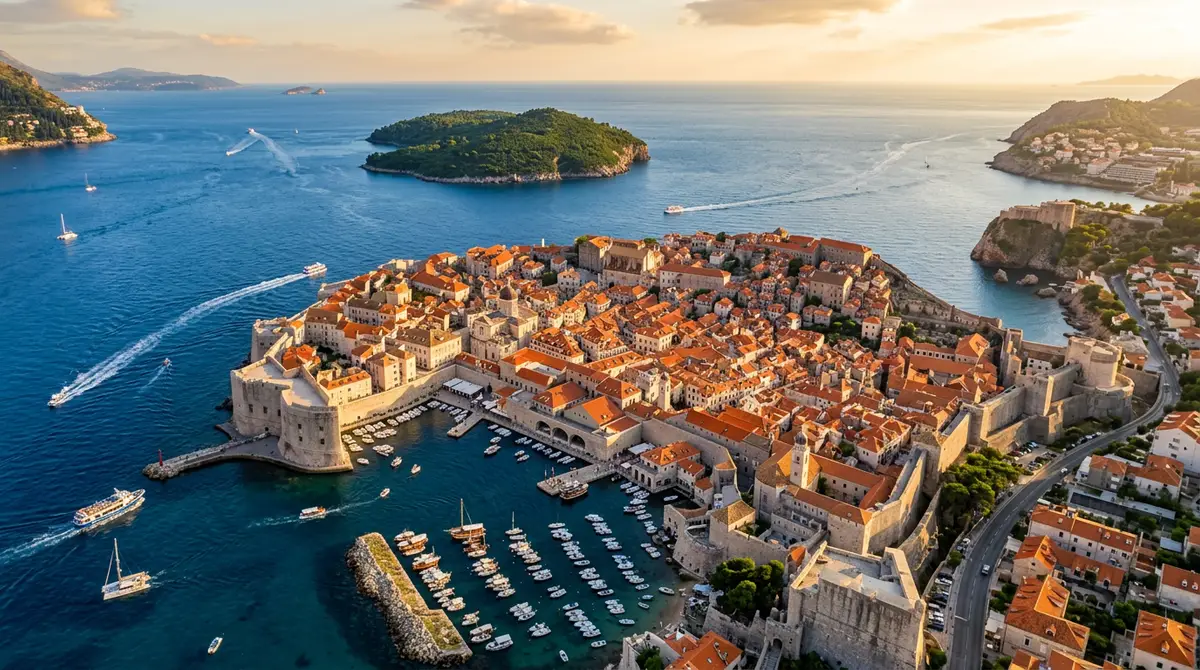
1. Dubrovnik: walk the walls before the ships come in
The city walls of Dubrovnik are the single best two hours on the Adriatic: a full circuit above terracotta roofs, cliff bars and the open sea. The trick is timing. Walk them at 8 a.m. or in the last slot before closing, when the cruise-ship crowds are gone and the stone glows. Then cable-car up Mount Srđ for the sunset panorama, and swim below the walls at Buža, a bar wedged into the cliffs.
2. Split: life inside a Roman palace
Split's old town is not next to Diocletian's Palace. It is inside it. Laundry lines cross 1,700-year-old walls, café tables fill the emperor's courtyard, and the evening riva is Dalmatia's best people-watching. Climb the bell tower for the harbour view, and use Split as the ferry hub it is: Hvar, Brač and half the Adriatic depart from its port.
3. Hvar: lavender hills and the Pakleni islands
Hvar town brings the glamour, with a fortress above a yacht-filled bay and streets polished by five centuries of use, but the island's best swims are offshore, in the pine-covered Pakleni islands a short water-taxi away. Rent a scooter to find the lavender fields and the old villages of the interior, and book August dinners ahead: the island fills up.
4. Brač and Zlatni Rat: the beach on every Croatian postcard
Zlatni Rat, the golden horn of pebbles that changes shape with the current, is Croatia's most photographed beach, and the windsurfing capital of the coast. The town behind it, Bol, stays relaxed even in peak season. Come by fast boat from Split or ferry to Supetar, and climb Vidova Gora, the highest island peak in the Adriatic, for the view down onto the horn itself.
5. The Makarska Riviera: mountains straight out of the sea
Between Split and Dubrovnik, the Biokovo massif rises almost 1,800 meters directly behind a string of pebble beaches: Brela, Makarska, Tučepi. The water is some of the clearest on the mainland coast, and the Biokovo Skywalk, a glass platform hanging over the drop, is the region's newest thrill. This is also the stretch the Balkan diaspora drives every summer, so book rooms early.
See Croatia eSIM plans
See the plans6. Plitvice Lakes: sixteen lakes, ninety waterfalls
Plitvice is the reason to leave the coast for a day: sixteen terraced lakes spilling into each other through travertine waterfalls, threaded by wooden walkways. Buy the timed entry ticket online days ahead in summer, because capacity sells out, and take the first slot of the morning, when the boardwalks are empty and the water is at its most unreal shade of turquoise.
7. Krka: the waterfall park an hour from the sea
Krka's Skradinski Buk is a curtain of cascades framed by watermills, an easy half-day from Šibenik or Zadar. It pairs perfectly with lunch in Skradin, the little town where yachts wait at the river mouth. Swimming beneath the main falls is no longer allowed, so treat Krka as a walking park and save the swim for the coast.
8. Zadar: the sea organ and the best sunset applause in Europe
Zadar's waterfront plays music: the Sea Organ turns waves into sound through underwater pipes, and the Greeting to the Sun light installation next to it soaks up the day's sun to glow at night. Alfred Hitchcock called Zadar's sunset the world's most beautiful, and the nightly applause on the riva suggests the town agrees. Roman forum, Romanesque churches and island ferries complete the case.
9. Rovinj: Istria's Venetian showpiece
At the other end of the country, Rovinj stacks pastel houses on a former island crowned by the campanile of St. Euphemia. Istria around it is Croatia's food region: truffles from the Motovun forest, olive oil roads, and konoba dinners in hilltop villages. If your route starts from Zagreb or Slovenia, Rovinj is the reason to enter the coast from the north.
10. Korčula: Marco Polo's walled island town
Korčula town is a miniature Dubrovnik without the crush: a herringbone grid of stone streets designed to break the wind, walls above a channel full of sails, and the island's white wines, Grk and Pošip, poured a few meters from the vineyards. The Peljesac bridge and fast catamarans have made it easier than ever to reach, yet it still feels like a discovery.
Data in Croatia: fine for EU SIMs, a trap for everyone else
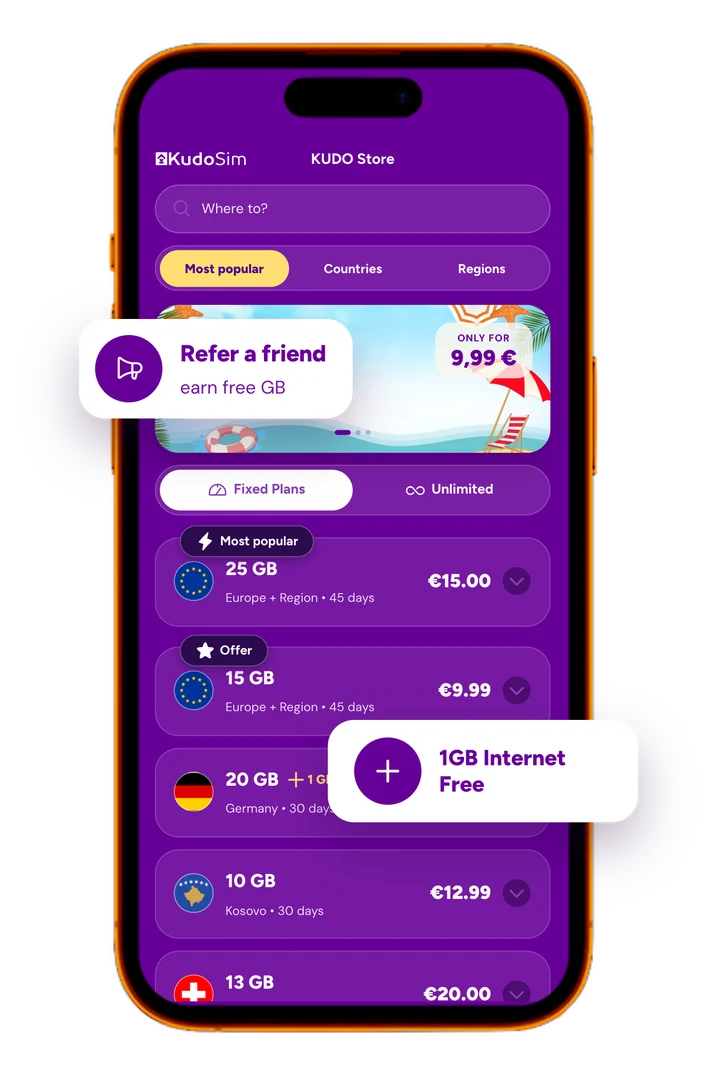
Croatia is in the EU, so if you travel with an EU or EEA SIM, roam-like-at-home applies and your home plan works. Everyone else pays real roaming here, whether traveling from Kosovo, Albania, North Macedonia, the UK, the US or Switzerland, and the timed tickets, ferry apps and beach navigation above all want data. A Croatia eSIM closes that gap before you arrive:
- Croatia plans start at EUR 3.59 for 3 GB, valid 30 days, enough for maps, messaging and tickets on a one-week coast trip.
- The 10 GB plan at EUR 9.99 covers two weeks of navigation, socials and video calls; heavy users take 20 GB at EUR 17.25.
- Driving the coast into Montenegro or Albania afterwards? The Europe + Region plan covers Croatia plus 45 more countries, from EUR 1.20, so one eSIM survives every border on the route.
- Validity starts when the eSIM first connects abroad, not at purchase. Install it at home and activate when you land.
- Your home SIM stays in the phone, so your number and WhatsApp keep working the whole trip.
One eSIM from Istria to the Balkans
See the plansWhen to go
June and September are Croatia at its best: warm sea, open ferries, and towns that breathe between the crowds. July and August are high season everywhere on this list, so book Plitvice tickets, Hvar rooms and Dubrovnik walls in advance, and do the famous sights at opening time. The sea stays swimmable well into October on the southern coast.
Frequently asked questions
What are the best places to visit in Croatia in summer 2026?
The ten strongest picks are Dubrovnik, Split, Hvar, Brač with Zlatni Rat beach, the Makarska Riviera, Plitvice Lakes, Krka waterfalls, Zadar, Rovinj and Korčula. The Dalmatian coast and islands carry the summer, while Plitvice and Krka add waterfall parks an easy drive from the sea.
Does EU roaming work in Croatia?
Yes. Croatia is an EU member, so SIM cards from EU and EEA countries roam like at home there. Travelers from outside that zone, including Kosovo, Albania, North Macedonia, the UK, Switzerland and the US, pay standard roaming rates, which is where a local eSIM saves real money.
Do I need to book Plitvice Lakes tickets in advance?
In summer, yes. Plitvice uses timed entry slots with a daily visitor cap, and peak-season dates sell out days ahead. Buy the ticket online, choose the earliest morning slot you can, and you will walk the boardwalks before the day-trip buses arrive.
Which is better for a first trip: Dubrovnik or Split?
For a first one-week trip, Split is the more practical base: it sits mid-coast, the ferries to Hvar and Brač leave from its port, and prices are gentler. Dubrovnik is the more spectacular single sight, so ideally end the trip there with two nights, walking the walls at opening time.
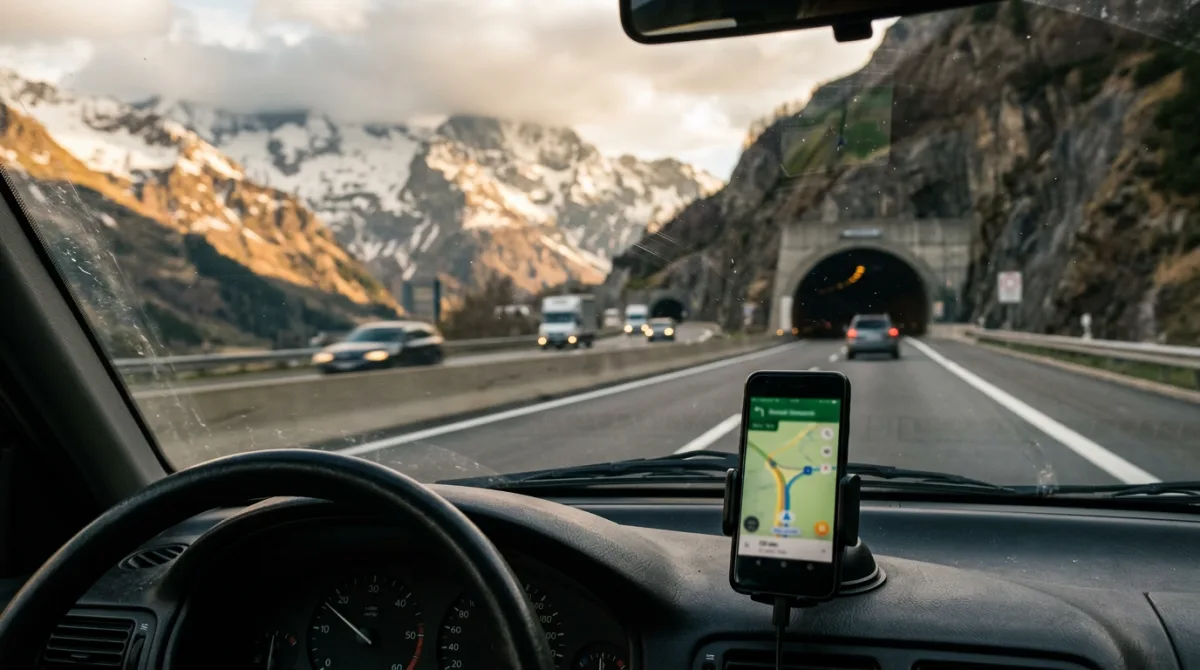
How do I stay online driving from Croatia to Montenegro and Albania?
Use a regional eSIM instead of a Croatia-only plan: Kudo's Europe + Region covers Croatia plus 45 more countries, from EUR 1.20, and switches networks automatically at each border. That way the same data plan works in Dubrovnik, Kotor and Tirana with no new SIM or QR code.