

Why Kosovo Should Be Your Next Trip in Europe
Kosovo is worth visiting for four things travelers rarely find together: hospitality that treats a guest like family, one of Europe's best coffee cultures, the youngest population on the continent, and a nightlife that outlasts most capitals. Add Ottoman Prizren, the Rugova mountains and prices in euros that feel like a different decade, and Europe's youngest country makes an easy case.
Somewhere in your first hour in Prishtina, a stranger will probably buy your coffee. Maybe the waiter refuses your money because you are a guest, maybe the person at the next table wants to know where you are from and what took you so long. Kosovo declared independence in 2008, which makes it Europe's youngest state, and it carries the energy to match: a capital that runs on espresso and ideas, festivals with global names, and a welcome that most tourism boards can only write slogans about.
Hospitality is not a service here, it is a code
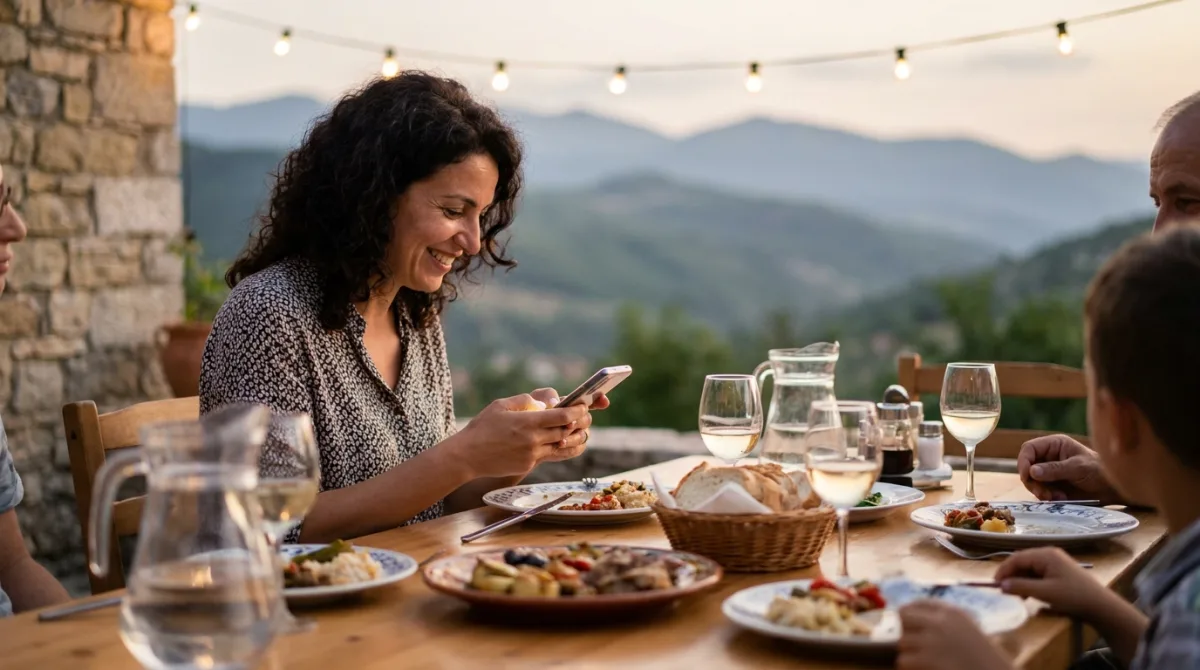
Albanian culture treats the guest as sacred, and Kosovo takes that tradition personally. Ask for directions and you may be walked to the door. Mention that you like flija and someone's mother will hear about it. Travelers routinely leave Kosovo with phone numbers of families who insisted they come for lunch next time. It is disarming at first, then addictive. You arrive as a tourist and get treated like a returning cousin.
The coffee is a national sport
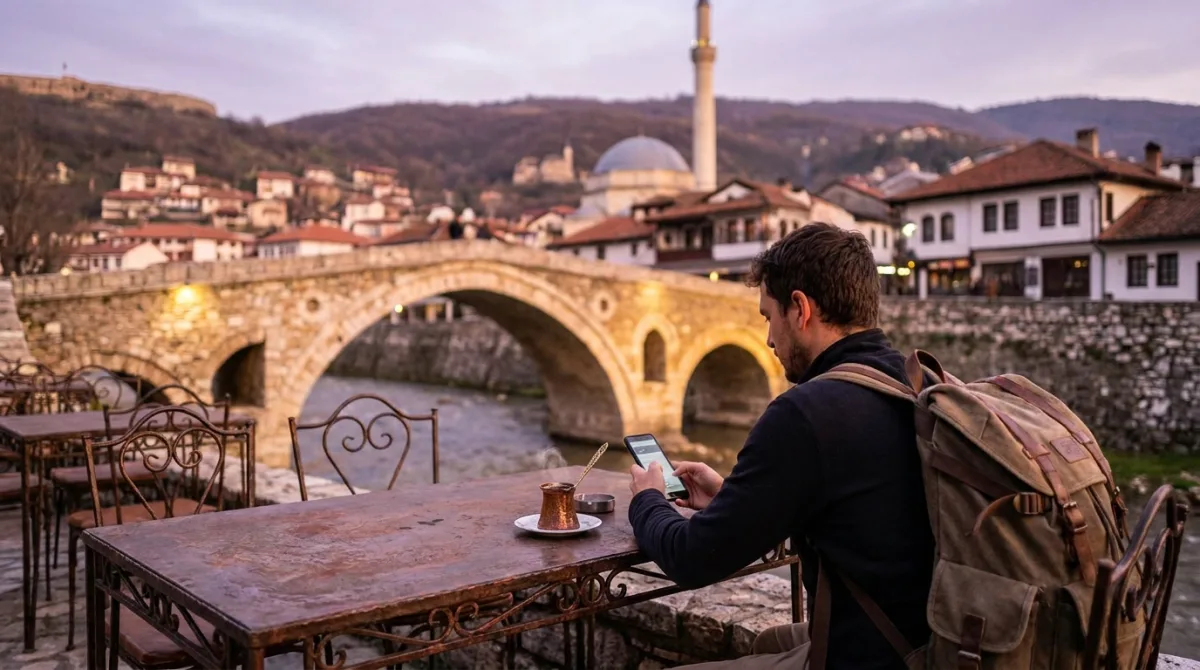
Prishtina's macchiato has a reputation that crossed the region's borders long ago, and visitors from Italy have been known to concede the point. The city has more cafés per block than seems mathematically possible, the milk foam is treated as a craft, and a macchiato costs around a euro and a half. More important is what coffee means here: nobody grabs a cup to go. Coffee is a sit-down, an hour, a conversation. Do it twice a day like a local and you will understand half the country before you see a single museum.
The youngest population in Europe
Kosovo's average age hovers around 30, which makes it one of the youngest societies on the continent, and you feel it everywhere: in the English spoken casually on every corner, in the German of the diaspora that fills the country every summer, in the design studios and startups tucked above the cafés. Mother Teresa Boulevard on an evening walk is a river of young people, and the city's landmark brutalist National Library and the NEWBORN monument have become backdrops for a generation that grew up with the country itself.
Nights that do not check the clock
Prishtina's nightlife starts late and ends later: rooftop bars, basement clubs, live music that slides from rock to electronic in one street. In August the Sunny Hill Festival, founded by Dua Lipa and her family, brings world-headline acts to the capital, and Prizren answers with Dokufest, one of Europe's most loved documentary film festivals, when the whole old town turns into an open-air cinema by the river. The walkable center makes the whole night feel easy and safe.
See the Kosovo eSIM plans
See the plansWhat to see beyond the capital
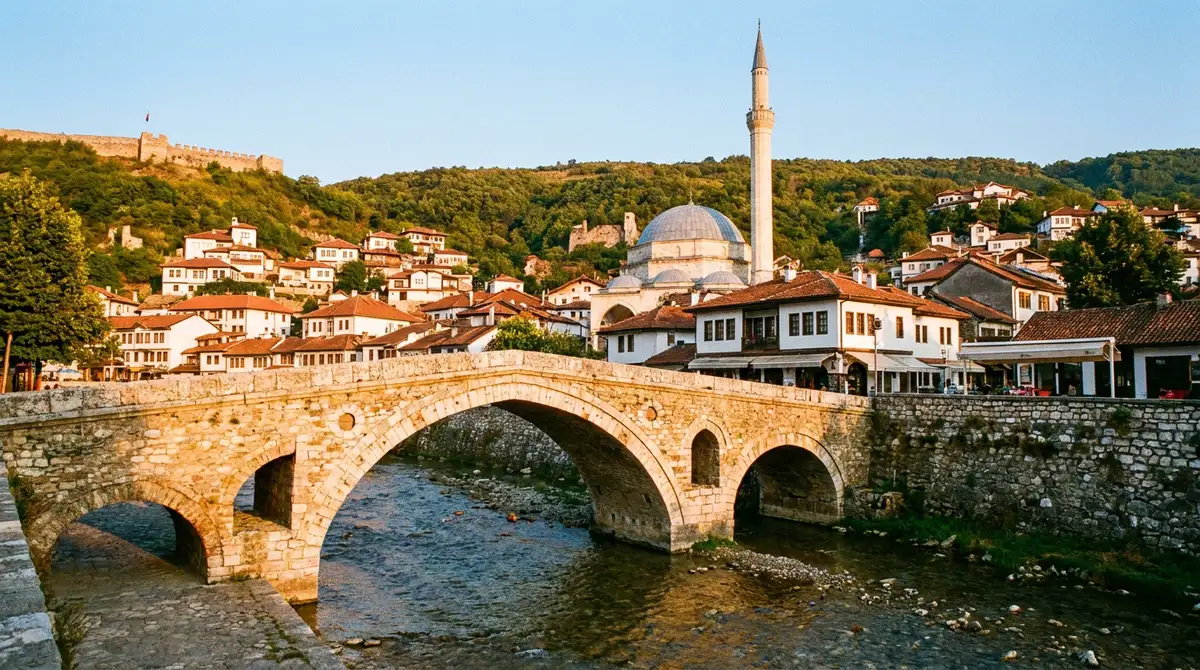
Prizren is the postcard: an Ottoman old town under a hilltop fortress, the stone bridge over the Lumbardhi, and the best sunset view in the country from the walls above. To the west, the Rugova canyon near Peja offers via ferrata routes, zip lines and the wild peaks of the Accursed Mountains. Add the Mirusha waterfalls for a summer swim, the marble cave at Gadime, and the Sharri mountains above Brezovica for hiking in summer and skiing in winter. Distances are small, so everything on this list is a day trip from Prishtina.
The food, and what it costs
Come hungry. Flija layered on a slow fire, pite from the bakery window, qebapa in the old bazaar, peppers in cream that deserve their own paragraph, and produce that still tastes of the garden it grew in. A generous dinner with drinks rarely embarrasses a modest budget, hotels cost a fraction of Western Europe, and Kosovo uses the euro, so there is no exchange-rate arithmetic. Few places in Europe give you this much for this little.
The practical part: getting there and staying online
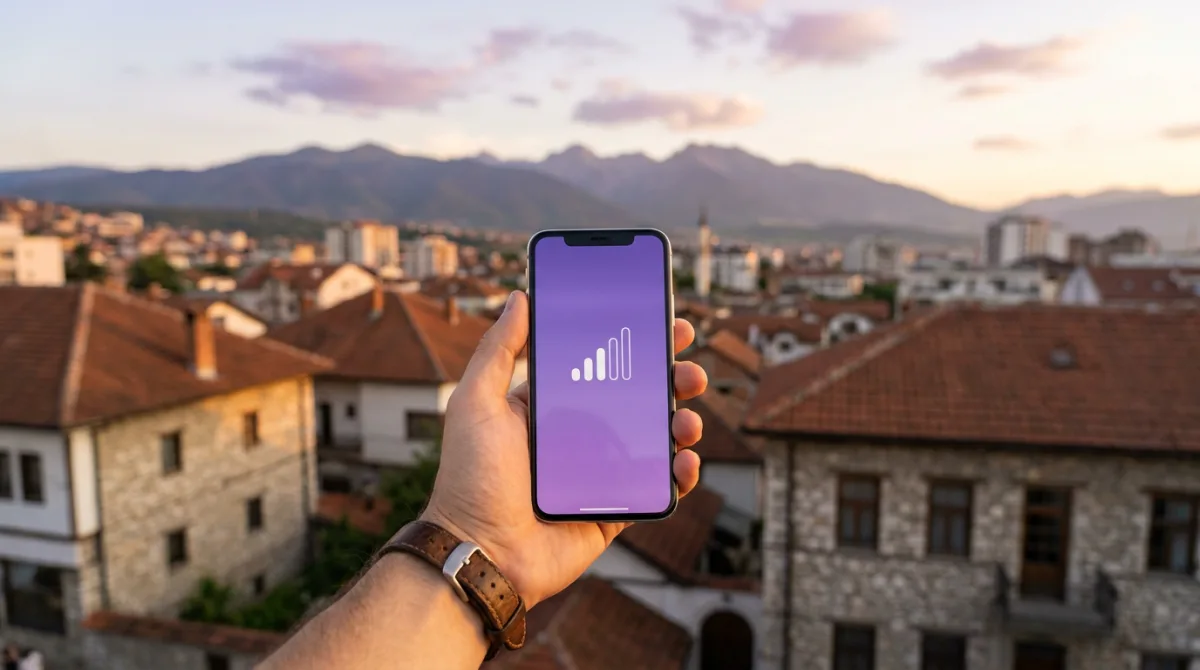
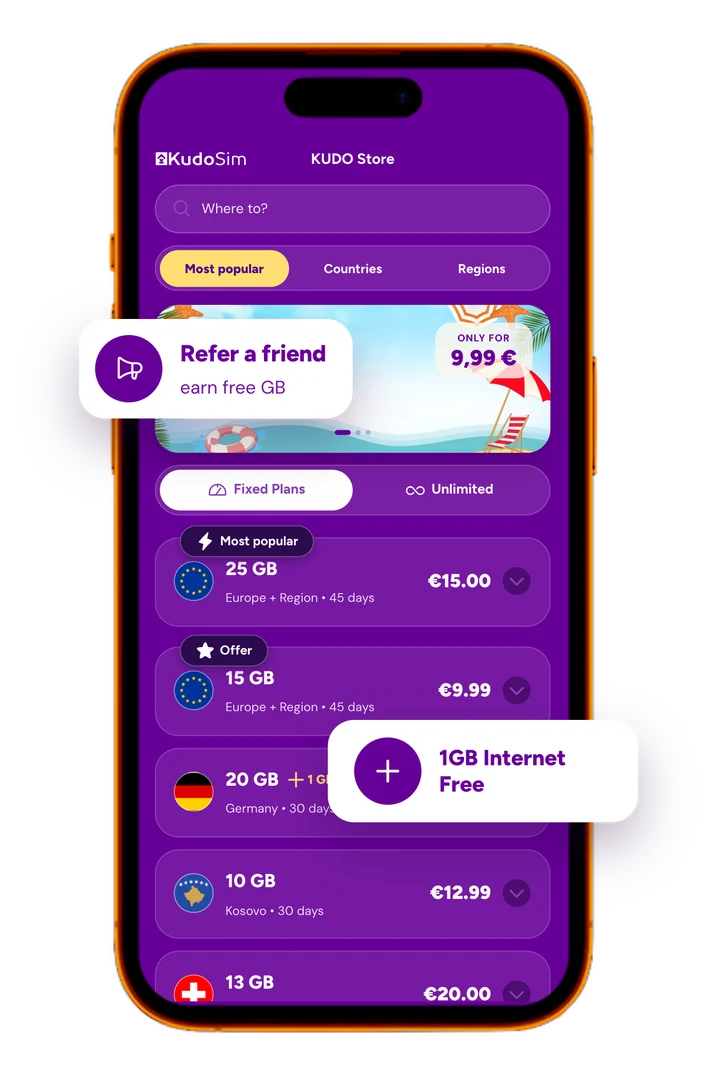
Prishtina's international airport has direct flights from dozens of European cities, and the drive from the airport to a café terrace takes about twenty minutes. One thing catches almost every visitor: Kosovo sits outside the EU roaming zone, and even most regional Europe plans skip it, so the SIM that served you in Greece or Croatia goes quiet at the border. A dedicated Kosovo eSIM solves it before you land:
- The Kosovo plan gives 13 GB for 27 days at EUR 20, on a fast local network.
- Staying longer or touring more countries? Kudo World gives 20 GB for 30 days at EUR 26.99 and works in Kosovo plus 149 more countries.
- You buy online, install at home over Wi-Fi, and the QR code arrives instantly on screen and by email.
- Your home SIM stays in the phone, so your number and WhatsApp keep working the whole trip.
- Coverage includes 5G where available, enough for maps, calls home and every macchiato photo.
One eSIM for Kosovo and the world
See the plansWhen to come
Summer is Kosovo at full volume: festivals, packed terraces, weddings spilling music into the streets, and the diaspora home from Germany and Switzerland doubling the fun. Spring and autumn suit hikers and city wanderers, with warm days and empty trails. Winter belongs to Brezovica and to long café afternoons. Whenever you come, arrive curious and leave extra room in your schedule. Someone will invite you somewhere, and you should say yes.
Frequently asked questions
Why should I visit Kosovo?
Kosovo combines things travelers rarely find together: legendary Albanian hospitality, one of Europe's strongest coffee cultures, the youngest population on the continent and a genuinely fun nightlife, plus Ottoman Prizren, the Rugova mountains and prices well below Western Europe. It is also compact, so most highlights are day trips from Prishtina.
Is Kosovo safe for tourists?
Visitors consistently describe Kosovo as welcoming and relaxed, with a walkable capital and locals quick to help a stranger. As anywhere, normal city common sense applies, but hospitality toward guests is a point of honor here, and solo travelers regularly rank it among the friendliest stops of a Balkan trip.
What currency and language are used in Kosovo?
Kosovo uses the euro, which keeps budgeting simple. Albanian is the main language, English is spoken widely by the young generation, and German is common thanks to the diaspora, so getting around as a visitor is easy.
Does EU roaming work in Kosovo?
No. Kosovo is outside the EU roaming zone, and even most regional Europe travel plans do not cover it. The practical fix is a dedicated Kosovo eSIM: Kudo's plan gives 13 GB for 27 days at EUR 20, or 20 GB for 30 days at EUR 26.99 with Kudo World, which also covers 149 more countries.
When is the best time to visit Kosovo?
August is the liveliest month, with the Sunny Hill Festival in Prishtina, Dokufest in Prizren and the diaspora home for the summer. Spring and autumn are ideal for hiking in Rugova and the Sharri mountains, and winter offers skiing at Brezovica and the café season at its coziest.