


Umrah Packages Explained: What You Pay For, What It Costs and How to Choose Well
An Umrah package bundles the visa, flights, hotels in Mecca and Medina, transfers and a group guide; meals, the Haramain train upgrade and the vaccine are usually extra. Prices are driven by dates (Ramadan can double hotel costs), the hotel's distance from the Haram, room sharing and whether the flight is direct. Outside Ramadan, economy packages with flights from Europe typically start around EUR 1,000 to 1,500 per person.
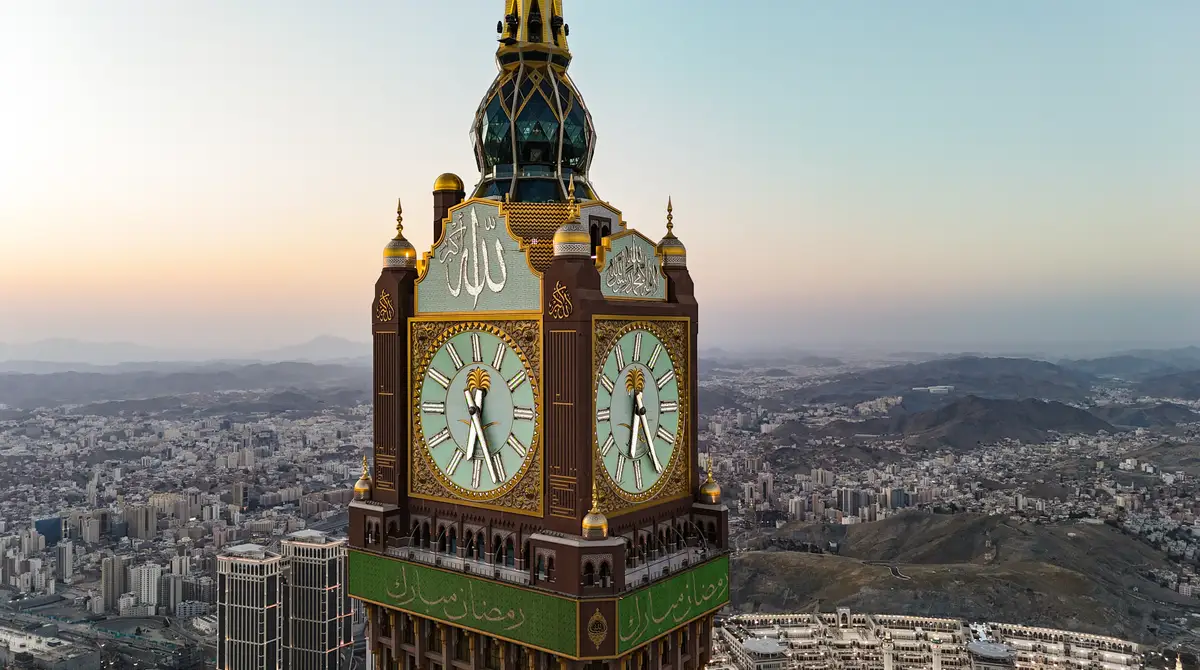
Every first-time pilgrim asks the travel agent the same question, and rarely gets a full answer: what exactly am I paying for? Umrah packages are sold as a single number, and behind that number sit a dozen decisions about hotels, dates, flights and rooms that explain why one agency quotes 1,100 and the next 1,900 for what sounds like the same trip. This guide takes the package apart so you can compare offers on the same basis, spot the ones that are too good to be true, and decide whether a group or a self-organised trip suits you better.
What a package normally includes
- Visa processing and the mandatory Saudi medical insurance, issued through the agency's registered operator on the Nusuk platform.
- Return flights, direct or through a connecting hub, with checked baggage.
- Hotels in Mecca and Medina, usually 10 to 14 nights in total, priced for a room shared by four unless you pay a supplement.
- Ground transport: airport transfers and the leg between the two cities by bus, sometimes by the Haramain high-speed train.
- A group leader or religious guide who walks the group through the rites, the permits and the visits.
- Guided visits in both cities: the historic sites around Mecca and, in Medina, Quba, the Qiblatayn mosque and Mount Uhud.
- Breakfast in many packages; half board in some of the pricier ones.
What usually is not included
- Meals beyond what is stated, which over twelve days adds up to a real amount.
- The meningitis ACWY vaccine, which is mandatory and paid for at home before the trip.
- Single or double room supplements, often 150 to 400 euros per person.
- The Haramain train instead of the bus between Mecca and Medina, unless listed.
- The sealed five-litre bottle of Zamzam from the airport, a few euros but easy to forget.
- Tips for the driver and the guide, which in many groups are collected on the bus.
- Mobile internet. Hotel Wi-Fi shared by a full house does not carry the Nusuk app, maps and video calls; most pilgrims now add a Saudi eSIM from a few euros before they fly.
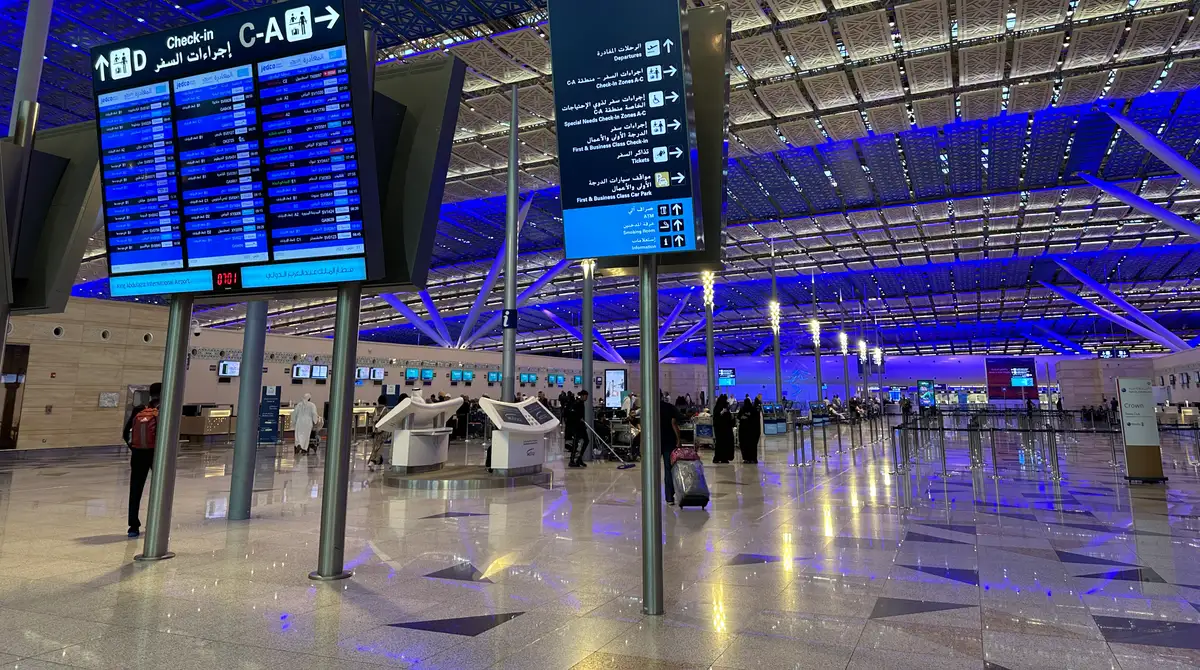
Why two offers for the same dates can differ by 800 euros
Distance to the Haram, in metres, not minutes
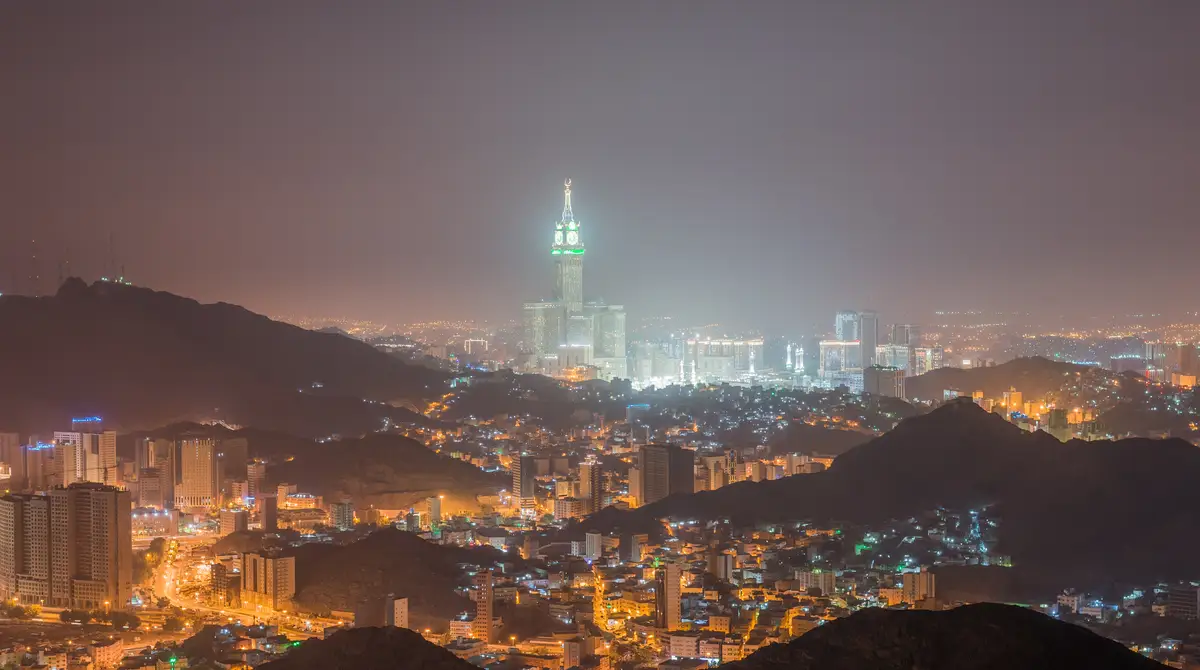
This is the biggest single lever. Hotels inside the first 300 metres of the Grand Mosque, the clock tower zone, cost several times what a hotel at 800 metres costs, and in Ramadan the gap widens further. Most mid-range packages put you between 500 and 1,000 metres, which is a ten to fifteen minute walk on marble in the heat; budget packages sit at one to two kilometres with a shuttle bus. The trick to watch for: "five minutes from the Haram" often means five minutes to the shuttle stop. Ask for the hotel's name and measure the walk on a map yourself before paying.
The dates
Hotel prices in Mecca roughly double in Ramadan and can triple in its last ten nights, when the city is fullest. February and March, school holidays and the weeks right after the season opens are also expensive. October, November, January and the first half of Ramadan are the better-value windows; the weeks after Hajj in early summer are the cheapest of all, and the hottest.
The room
Quoted prices almost always assume four people in one room. Couples and anyone who sleeps badly in company should ask for the double price from the start, because the supplement is where a cheap-looking package quietly becomes an average one.
The flight
A direct flight into Medina or Jeddah costs more than a connection through Istanbul, Cairo or the Gulf, and is worth it for older pilgrims: a four-hour layover with ihram on and no data on the phone is nobody's favourite part of the journey. Check which airline, how much baggage, and whether the return is at a civilised hour.
Nights, and how they are split
Ten, twelve and fourteen-night packages exist, and the split matters: three or four nights in Medina and the rest in Mecca is the classic shape. A package that quietly gives you eight nights in cheaper Medina and four in Mecca will be cheaper for a reason.
The season calendar for 2026/27
The Umrah season of the Hijri year 1448 opened at the end of May 2026. The last Umrah visa of the season is issued on 9 March 2027, the last entry on an Umrah visa is 23 March, and all Umrah visa holders must leave by 7 April 2027, after which the country prepares for Hajj. Ramadan is expected to run from about 8 February to 9 March 2027, with Eid around 10 March. Packages for the last ten nights of Ramadan sell out months ahead and cost the most; the first ten nights are calmer and noticeably cheaper.
What prices look like in 2026/27
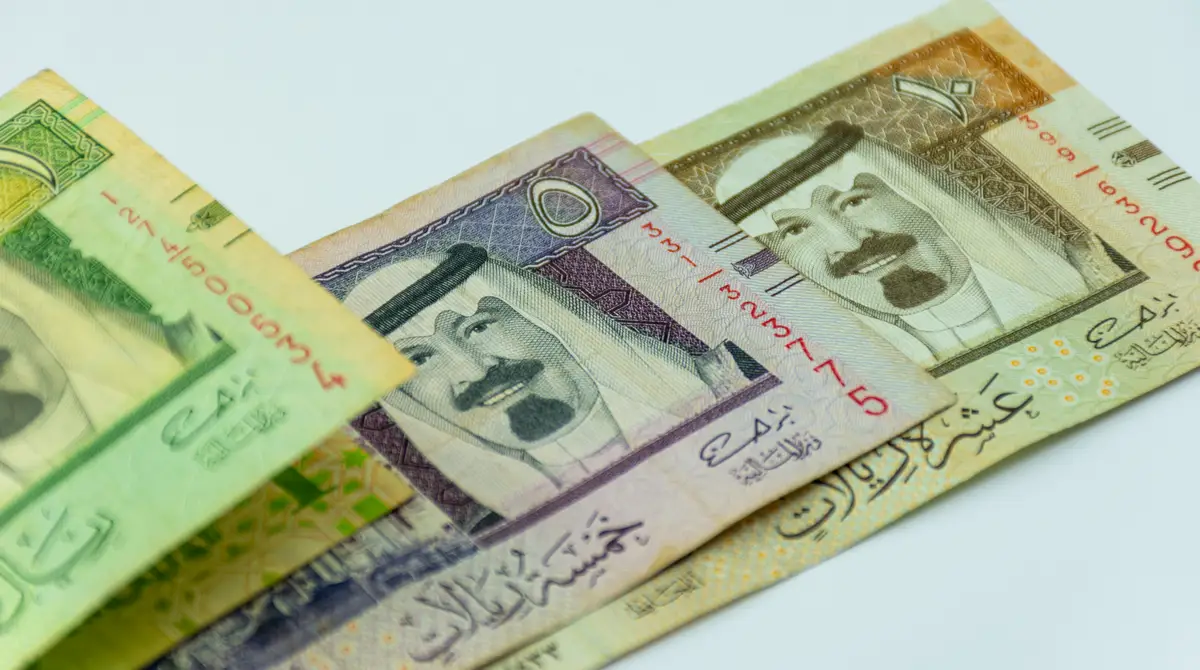
Prices depend on the departure country, but the pattern is the same everywhere. From Europe and the UK, economy packages of ten nights with flights, three-star hotels 500 to 1,000 metres from the Haram, transfers and a guide commonly start around EUR 1,000 to 1,500 per person in a shared room outside Ramadan. Four and five-star hotels within 300 metres push that to EUR 1,800 to 2,500 and beyond. Ramadan packages run one and a half to two times the off-season price, and the final ten nights more still. The Gulf press reported packages from the Emirates starting near AED 3,500 (about EUR 870) and passing AED 8,000 as Ramadan approached. Treat every figure here as a reference point, not a quote: the only number that matters is the itemised one on your invoice.
The visa behind the package: why agencies sell bundles
Since the 2025/26 rules, an Umrah visa is only issued once the operator has confirmed Nusuk-approved accommodation and transport for the pilgrim, the so-called no booking, no visa rule. That is why licensed agencies sell complete packages and cannot simply get you a visa for a trip you organise yourself. The alternative route is the Saudi tourist eVisa, available online to citizens of about seventy countries including most of Europe, the UK, the US, Albania and, since October 2026, Kosovo. It costs roughly 535 riyals including insurance (about EUR 125), is valid for a year with multiple entries and 90 days in total, and allows Umrah outside the Hajj season. Whichever visa you hold, the Umrah permit itself is free and booked in the Nusuk app.
Doing it yourself: when it is worth it
With a tourist eVisa, direct flights, a hotel booked online and the Haramain train, a self-organised Umrah can cost less than a package. A couple flying direct from Europe in November might pay around EUR 450 each for flights, EUR 125 for the visa, EUR 70 to 100 a night for a decent room 600 metres from the Haram shared by two, and EUR 45 for the train: under EUR 1,100 per person for ten nights, with full control over dates and hotels. The trade-off is everything the group does for you: nobody walks you through the rites, nobody fixes a missed connection at two in the morning, nobody books the Rawdah slot for your parents. First-timers, older travelers and anyone who wants a guide beside them usually come out ahead with a good agency; experienced pilgrims and couples who travel independently anyway often do better alone.

Questions to ask before you pay
- Which exact hotels, by name, in Mecca and in Medina, and how many metres from the Haram and from the Prophet's Mosque?
- Is the price per person in a room for four? What does a room for three or two cost?
- Is the flight direct or connecting, with which airline, at what times, with how much baggage?
- Who is the guide, how many pilgrims per guide, and does the guide speak my language?
- Do you book the Umrah permit and the Rawdah slot, and when will I see them in my own Nusuk account?
- Which meals are included, if any?
- What is refunded, and by when, if the visa is refused or the flight is cancelled?
- Is the agency licensed, and registered as an operator on Nusuk? Can I see the license?
- Can I have all of this in writing, on an invoice, before I pay the deposit?
Red flags
- Cash only, no invoice, no written contract.
- A hotel described only as "near the Haram", with the name promised for departure day.
- A price far below everyone else's with a five-star hotel "50 metres from the Haram". Those rooms cost what they cost.
- Non-refundable deposits even if the visa is refused.
- One guide for a hundred people, or no guide at all.
- Anyone who tells you the Nusuk permit is not necessary. It is, for every pilgrim.
The small costs nobody lists
- The meningitis vaccine: typically 30 to 60 euros at a travel clinic, needed at least ten days before departure.
- Zamzam to take home: the sealed five-litre bottle at the airport costs a few euros; most airlines carry one per passenger.
- The barber after Umrah: ten to twenty riyals.
- Taxis within Mecca and Medina when the shuttle timetable does not match prayer times.
- Dates, prayer beads and gifts, which fill a second suitcase for most families.
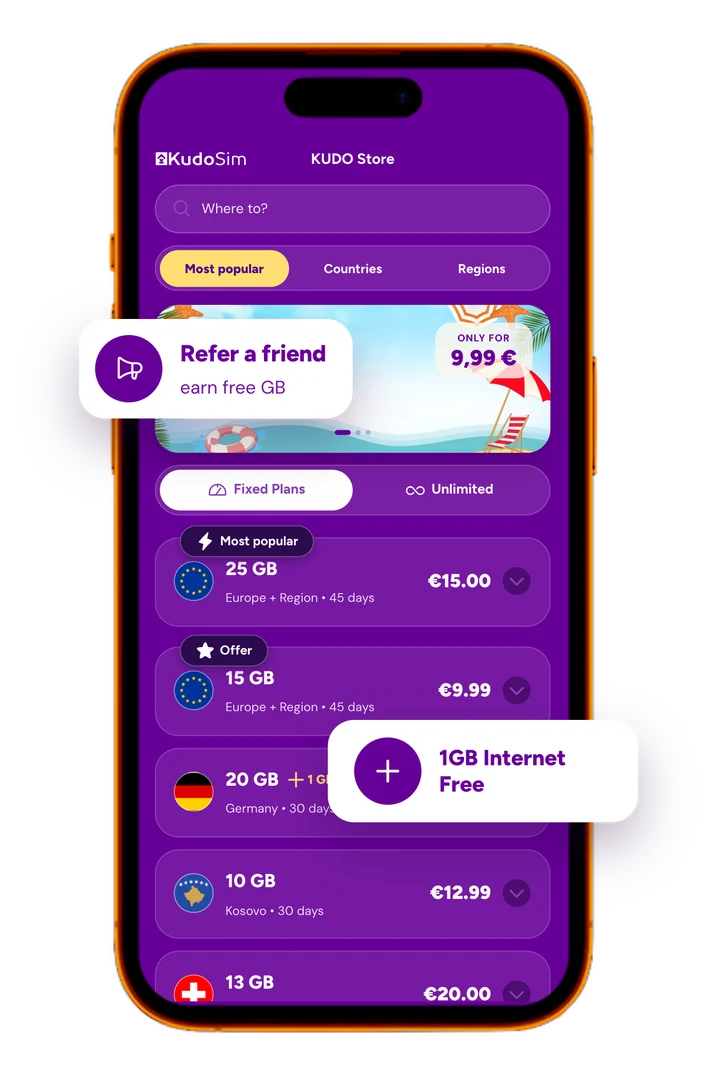
- Internet: a Saudi Arabia eSIM from Kudo costs EUR 2.99 for 1 GB and EUR 7.99 for 3 GB valid 60 days, installed at home so it works from the moment you land, with no passport registration at the airport.
Add internet to your Umrah package yourself
Saudi Arabia eSIM from EUR 2.99. 3 GB for EUR 7.99, valid 60 days, installed before you fly.
See the plansFrequently asked questions
What is included in a typical Umrah package?
The visa and Saudi medical insurance, return flights, hotels in Mecca and Medina for ten to fourteen nights in shared rooms, airport transfers and the bus between the two cities, a group guide and the guided visits. Meals beyond breakfast, the vaccine, room supplements, the Haramain train and mobile internet are usually extra.
How much does an Umrah package cost in 2026/27?
From Europe, economy ten-night packages with flights commonly start around EUR 1,000 to 1,500 per person in a shared room outside Ramadan; four and five-star hotels within 300 metres of the Haram cost EUR 1,800 to 2,500 or more. Ramadan packages run one and a half to two times the off-season price, and the last ten nights more. Ask for an itemised quote.
Why are Ramadan packages so much more expensive?
Hotel prices in Mecca roughly double in Ramadan and can triple in the last ten nights, when the city is at its fullest; flights change less. Ramadan 2027 is expected from about 8 February to 9 March, and the first ten nights are calmer and cheaper than the last ten.
Can I organise Umrah myself without an agency?
Yes, if your passport qualifies for the Saudi tourist eVisa (about seventy countries, including most of Europe, Albania and, since October 2026, Kosovo). The eVisa costs roughly 535 riyals, allows Umrah, and you book flights, hotels and the Haramain train yourself plus the free Umrah permit in the Nusuk app. The trade-off is doing the rites, the logistics and the Rawdah booking without a guide.
What does "hotel near the Haram" really mean?
Ask for metres, not minutes. Within 300 metres is the premium zone; 500 to 1,000 metres is a ten to fifteen minute walk and where most mid-range packages are; one to two kilometres means a shuttle bus. "Five minutes away" often refers to the shuttle stop, so check the hotel's name on a map yourself.
Do I need internet for Umrah, and is it in the package?
You need it: the Umrah permit and the Rawdah slot live in the Nusuk app, groups coordinate on chat and maps lead you back to the hotel. Packages rarely include it. A Kudo Saudi Arabia eSIM from EUR 2.99, or 3 GB for EUR 7.99 valid 60 days, installed at home, connects when you land with no passport registration.